


Emelika Safaris
October 03, 2025
Ngorongoro Crater: The Eighth Wonder of the Natural World
A Natural Marvel Unlike Any Other
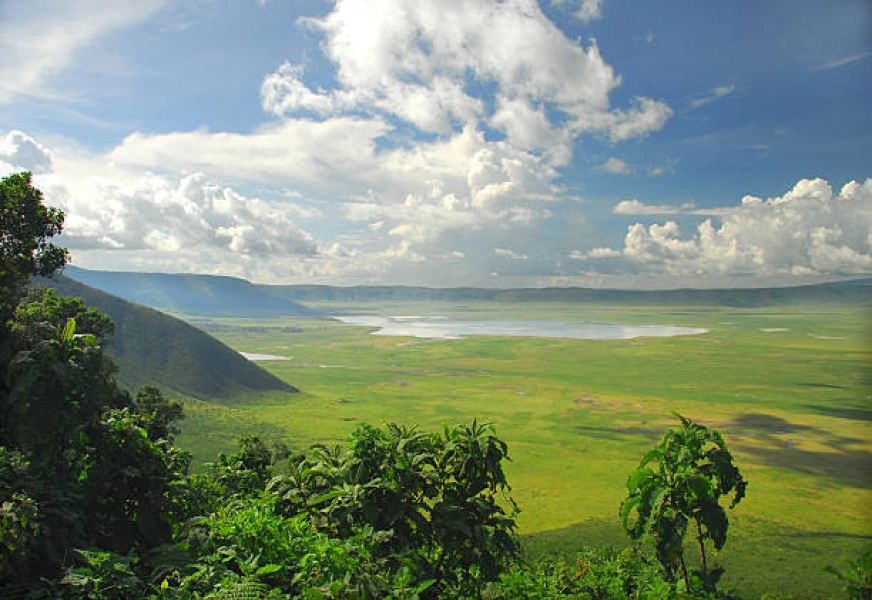
Hidden in the highlands of northern Tanzania, the Ngorongoro Crater is often described as the “Eighth Wonder of the Natural World.” The crater is not only the world’s largest inactive and unbroken volcanic caldera but also one of the most spectacular safari destinations on Earth. With its dramatic landscapes, dense wildlife populations, and rich cultural history, Ngorongoro Crater offers visitors a unique safari experience that blends natural wonder, conservation, and human heritage. Unlike other safari destinations, the Crater creates a sense of intimacy, as if the entire African wilderness has been condensed into one breathtaking moment. Whether you are a first-time traveler or an experienced adventurer, descending into the crater feels like entering a lost world, where every bend in the road reveals an extraordinary new scene of life in motion.
The Geological Wonder of Ngorongoro
Around two to three million years ago, a massive volcano in the region erupted with such force that it collapsed in on itself, leaving behind the spectacular Ngorongoro Crater. Measuring 19 kilometers in diameter and spanning over 260 square kilometers, it is the world’s largest intact volcanic caldera. The crater walls rise dramatically up to 600 meters, enclosing a natural sanctuary unlike any other. Within this enclosure, ecosystems thrive independently, from acacia forests and open savannahs to freshwater lakes and wetlands. Geologists regard Ngorongoro as a rare phenomenon not only for its size but also for its preservation. While many volcanic craters erode over time, Ngorongoro has remained intact, creating a natural bowl that sustains life on a scale few other places on Earth can match.
Wildlife Diversity:
The Ngorongoro Crater is often described as a natural Noah’s Ark, home to more than 25,000 large animals living permanently on the crater floor. Thanks to year-round water sources and abundant grazing, the animals rarely leave, offering visitors some of the most reliable game viewing in Africa. One of the highlights is the opportunity to spot one or more of the Big Five in a single day. On rare ocassions, the Crater is one of the best places in Tanzania to see the critically endangered black rhino, which can be an unforgettable sighting for travellers. In addition to mammals, Ngorongoro is also a paradise for birdwatchers, with over 500 bird species recorded. Lake Magadi at the crater’s center attracts thousands of flamingos, while raptors soar above the rim. The combination of predator density, bird diversity, and resident herbivores makes every safari here an unmatched experience.
When to Visit Ngorongoro Crater
Dry Season (June – October):
Wildlife congregates around shrinking water sources, making animals easier to spot. The skies are clear, and road conditions are excellent.
Green Season (November – May):
The crater becomes lush and green, attracting migratory birds and newborn animals. Photographers love this season for its vibrant landscapes and dramatic skies, because the Crater has permanent water sources, and wildlife remains year-round. Visitors can be assured of spectacular sightings no matter the month of travel.
Safari Tips for Visiting Ngorongoro Crater
Start Early:
The crater gates open at sunrise, and early morning safaris offer the best chance to see predators in action.
Hire a Knowledgeable Guide:
A skilled guide enhances your trip with insights into wildlife behavior, geology, and history.
Dress in Layers:
Temperatures at the crater rim can be chilly, but the floor warms up quickly.
Bring Binoculars and a Camera:
The crater’s landscapes and wildlife encounters provide endless photographic opportunities.
Respect Conservation Rules:
Stick to designated tracks and avoid disturbing wildlife to help preserve this fragile ecosystem.
Recent Blog Posts
-
Tarangire National Park: Tanzania’s Hidden Gem for Safari Lovers
Mar 20, 2026
-
The Great Migration Explained Simply
Mar 20, 2026
-
Top 10 Animals to See in Tanzania
Mar 20, 2026
Emelika Safaris stands as a beacon of socially responsible tourism, offering an array of safari adventures that range from Wildlife tours and majestic Mt. Kilimanjaro treks to immersive Cultural tourism and relaxing getaways at the pristine Zanzibar Beach.