


Emelika Safaris
September 22, 2025
Preparing for the Roof of Africa: A Realistic Look at the Kilimanjaro Trek Experience
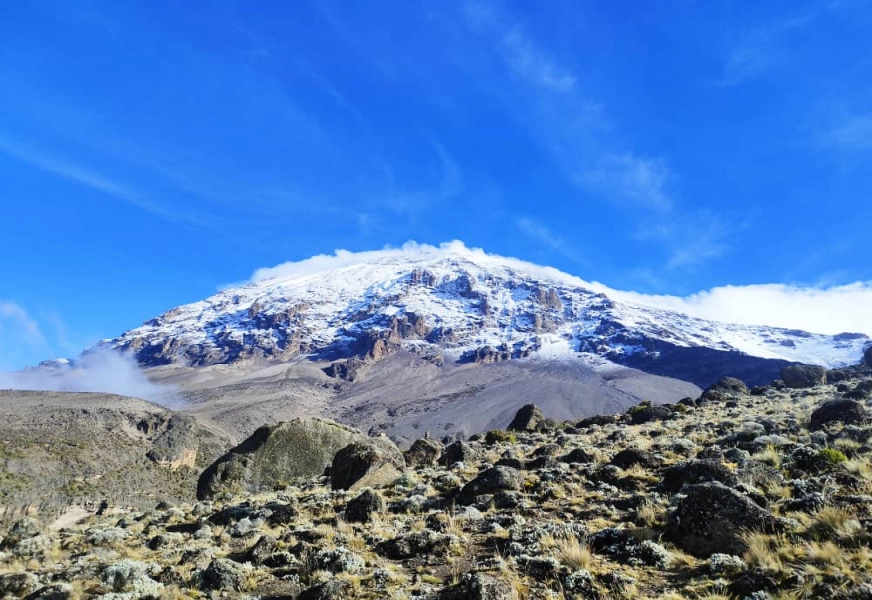
Few adventures compare to the feeling of standing on the summit of Mount Kilimanjaro, gazing out over the clouds from 5,895 meters (19,341 feet) above sea level. Known as the Roof of Africa, Kilimanjaro’s snow-capped peak is more than a geological wonder — it’s a personal milestone for travelers around the world. While the mountain does not require technical climbing, the journey to Uhuru Peak is demanding in its own right. It challenges the body, mind, and spirit — rewarding those who prepare wisely and respect the mountain’s rhythm.
This guide offers a realistic look at what to expect on a Kilimanjaro trek, from daily routines and route choices to altitude, gear, and preparation tips — everything you need to know before taking your first step toward Africa’s highest summit.
Understanding Mount Kilimanjaro
Mount Kilimanjaro rises dramatically from Tanzania’s northern plains, dominating the horizon near the Kenyan border. It’s the tallest free-standing mountain in the world, formed by the merger of three extinct volcanic cones: Kibo, Mawenzi, and Shira. What makes Kilimanjaro remarkable isn’t only its height, but its diversity.
Trekkers journey through five distinct ecological zones — from tropical rainforest to alpine desert and finally the icy arctic summit. You can begin your morning surrounded by monkeys in lush green forests and end the day walking among glaciers under starlight. This contrast gives Kilimanjaro an almost mythical quality — it’s Africa’s microcosm in one climb.
The mountain is located within Kilimanjaro National Park, a UNESCO World Heritage Site. Well-maintained trails, trained guides, and professional climbing crews make the experience safe and accessible for those with moderate fitness levels and determination. Yet, reaching Uhuru Peak still requires respect for altitude, patience, and preparation.
Choosing the Right Route
Selecting the right route is one of the most important decisions when planning your Kilimanjaro trek. Each route offers different scenery, acclimatization profiles, and levels of difficulty.
Marangu Route (5–6 days) – Known as the “Coca-Cola Route,” it’s the oldest and most direct path to the summit. It features hut accommodations instead of tents but allows less time for acclimatization.
Machame Route (6–7 days) – Often called the “Whiskey Route,” it’s the most popular choice for its varied landscapes and good acclimatization profile. It includes steep climbs, forest paths, and dramatic views of the Shira Plateau.
Lemosho Route (7–8 days) – Regarded as the most scenic route, it offers panoramic views from the western side and excellent acclimatization due to its longer duration.
Rongai Route (6–7 days) – Approaches from the northern side near the Kenyan border. It’s drier, quieter, and less crowded — perfect for those seeking solitude.
What to Expect on the Mountain
A Kilimanjaro trek is not a technical climb, but it is a physically and mentally demanding expedition. Understanding the daily rhythm helps you prepare for the realities of mountain life. Days typically start early — around 6:00 a.m. — with hot tea or coffee brought to your tent. After breakfast, the group begins trekking between 7:30 and 8:00 a.m., covering 5–7 hours of hiking depending on the day’s terrain and altitude gain. Lunch may be served en route or at the next camp, followed by an afternoon of rest and acclimatization. Evenings end early, often with dinner and a briefing for the next day.
Accommodation & Facilities
Most routes involve camping, with comfortable two-person tents set up each evening by porters. Marangu is the exception, offering shared wooden huts with bunk beds. Campsites have basic facilities — dining tents, portable toilets, and wash basins. Despite the rugged environment, the support teams ensure a surprisingly comfortable experience.
Crew Support
Each group is accompanied by a professional team including guides, porters, and cooks. Porters carry tents, luggage, and food supplies, allowing trekkers to focus on hiking with a lightweight daypack. Guides monitor your health and pace, ensuring you adjust properly to altitude. Their experience and encouragement often make the difference between success and turning back.
Meals & Hydration
Expect hearty meals prepared fresh daily — soups, rice, pasta, and stews rich in carbohydrates for sustained energy. Hydration is critical at altitude; trekkers are encouraged to drink 3–4 liters of water per day. Boiled or filtered water is provided at camps.
Weather Conditions
Temperatures can range from 25°C (77°F) at the base to –10°C (14°F) near the summit. Rain is common in the forest zone, while the upper mountain can bring frost, snow, and strong winds. Dressing in layers is essential to stay comfortable through changing climates.
Training and Preparation
Physical fitness is key to enjoying — not just surviving — your Kilimanjaro trek. You don’t need to be a mountaineer, but stamina, strength, and mental resilience are vital.
Start training 8–12 weeks before your climb, focusing on endurance hikes that simulate long days on your feet. Practice walking uphill and downhill for 4–6 hours at a steady pace while carrying a daypack weighing 6–8 kilograms (13–18 lbs). Add aerobic workouts such as running, cycling, or swimming to build lung capacity.
Equally important is breaking in your hiking boots and adjusting to your trekking gear. Bring layered clothing (base, insulating, and waterproof layers), trekking poles, a warm sleeping bag, headlamp, gloves, and high-SPF sunscreen.
Most reputable outfitters provide a full gear checklist and advice on rentals. Being well-prepared physically and logistically can make the difference between reaching Uhuru Peak or turning around early.
The Summit Experience
Summit night is the most challenging yet unforgettable part of the Kilimanjaro journey. It usually begins around midnight, under a canopy of stars. Trekkers ascend slowly in a single file, guided by headlamps and the rhythmic chant of “pole pole” — Swahili for “slowly, slowly.” The pace is deliberate, conserving energy and adjusting to thin air.
The climb to Stella Point (5,756 m) can take 5–7 hours, followed by another 45 minutes to reach Uhuru Peak. The air is crisp, temperatures drop below freezing, and the horizon begins to glow with sunrise. As dawn breaks, golden light washes over the glaciers and plains below — a sight that moves even seasoned travelers to tears.
Standing at the summit is a moment of triumph and humility. After photos and celebration, the descent begins immediately, retracing your steps to lower altitudes for rest and recovery.
Responsible Trekking
Kilimanjaro’s ecosystem is fragile and deserves respect. Choose an operator that practices Leave No Trace principles — minimizing waste, using designated trails, and employing local porters under fair working conditions. Organizations like the Kilimanjaro Porters Assistance Project (KPAP) set standards for porter welfare, ensuring ethical treatment.
Trekkers can also support sustainability by carrying reusable water bottles, avoiding single-use plastics, and following park regulations. Cultural respect is equally important — Kilimanjaro is sacred to the Chagga people, who have lived on its slopes for centuries. A smile, a “asante sana” (thank you very much), and an open mind go a long way in building mutual respect.
When to Go
The best times to climb Mount Kilimanjaro align with Tanzania’s dry seasons:
High Season (June – October) – Clear skies, dry trails, and excellent summit success rates.
Shoulder Season (January – February) – Warmer temperatures, slightly fewer crowds.
Low Season (March – May & November) – Lusher scenery and lower prices, though rain is more likely.
These periods correspond directly with your safari and beach packages, allowing travelers to combine a Kilimanjaro trek with a Serengeti safari or Zanzibar beach extension for a complete Tanzania experience.
Conclusion
Climbing Mount Kilimanjaro is far more than a physical challenge — it’s a journey of self-discovery. Every step upward reveals new landscapes, new perspectives, and new limits of endurance. With proper preparation, the right team, and respect for the mountain, anyone with determination can reach the Roof of Africa.
Whether you’re driven by the call of adventure, the beauty of Tanzania, or the desire to push your boundaries, Kilimanjaro offers an experience that stays with you for life. As the sun rises above the glaciers of Uhuru Peak, you realize the summit is not just a destination — it’s the reward for every step you’ve taken along the way.
Recent Blog Posts
-
Tarangire National Park: Tanzania’s Hidden Gem for Safari Lovers
Mar 20, 2026
-
The Great Migration Explained Simply
Mar 20, 2026
-
Top 10 Animals to See in Tanzania
Mar 20, 2026
Emelika Safaris stands as a beacon of socially responsible tourism, offering an array of safari adventures that range from Wildlife tours and majestic Mt. Kilimanjaro treks to immersive Cultural tourism and relaxing getaways at the pristine Zanzibar Beach.