


Emelika Safaris
September 22, 2025
What Makes the Serengeti So Special? A Traveler’s Guide to Tanzania’s Greatest Park
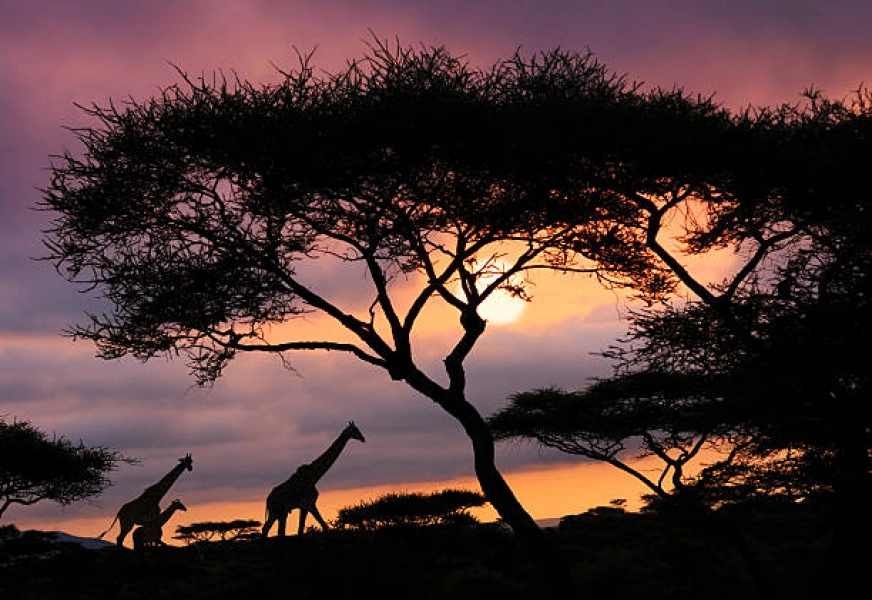
There are few places on Earth that embody the wild heart of Africa quite like the Serengeti. Its very name, derived from the Maasai word Siringet, means “the place where the land runs on forever.” Stretching beyond the horizon in waves of golden grasslands and scattered acacia trees, the Serengeti is the quintessential image of the African wilderness.
This vast ecosystem — home to over 2 million large mammals — is the stage for one of the world’s greatest natural spectacles: the Great Migration. But the Serengeti is more than just a migration route; it’s a living, breathing landscape where every sunrise brings new stories of life, survival, and wonder. In this guide, we’ll explore what truly makes the Serengeti so special — from its timeless landscapes and extraordinary wildlife to its seasons, culture, and conservation legacy.
A Landscape Like No Other
Covering nearly 15,000 square kilometers (5,800 square miles), Serengeti National Park is one of the largest and most diverse ecosystems on the planet. Located in northern Tanzania, it forms part of the broader Serengeti–Mara ecosystem, which extends northward into Kenya’s Maasai Mara. The Serengeti’s scenery is as varied as it is breathtaking. The southern plains are vast and open, perfect for calving season and large herds of grazing animals. The central region, known as Seronera, offers year-round wildlife viewing with its mixture of rivers, woodlands, and grassland valleys. In the west, the Grumeti River winds through acacia forests and rolling hills — home to dramatic crocodile-infested crossings during the migration. The north is more rugged and hilly, blending seamlessly into the Maasai Mara, where river crossings continue later in the year.
This incredible diversity of terrain supports over 70 species of large mammals and more than 500 bird species. From endless golden savannas to volcanic outcrops known as kopjes — which serve as lookout points for lions — the Serengeti’s landscapes are a photographer’s dream and a biologist’s paradise. In recognition of its ecological significance, the Serengeti was declared a UNESCO World Heritage Site in 1981. It remains one of the last great ecosystems on Earth where natural processes — migration, predation, and seasonal renewal — continue as they have for millennia.
The Great Migration: Nature’s Grandest Show
When people think of the Serengeti, they often picture the Great Migration — an annual, circular journey of over 1.5 million wildebeest, 300,000 zebras, and hundreds of thousands of gazelles. Driven by the rhythm of the rains and the search for fresh grazing lands, this ancient cycle is the largest terrestrial animal migration on the planet.
The journey begins in the southern Serengeti, around the Ndutu plains, between December and March, where hundreds of thousands of wildebeest calves are born within a few weeks. It’s a time of abundance — and danger — as predators like lions, cheetahs, and hyenas follow the herds.
By May and June, the herds begin moving northwest toward the Western Corridor, crossing the Grumeti River, where crocodiles await. This part of the migration is both thrilling and perilous, a raw display of survival instinct.
In July and August, the animals reach the northern Serengeti and attempt the most dramatic crossings of all — the Mara River, near the Kenyan border. Here, sheer determination pushes thousands of wildebeest across strong currents and predators lurking below.
Finally, as the short rains return in October and November, the herds move back south, completing the circle of life that defines the Serengeti.
What makes the Great Migration so special is not just its scale but its symbolism. It represents the eternal balance of nature — the connection between predator and prey, life and death, movement and renewal. Witnessing even a small part of this grand procession is one of the most powerful experiences in all of wildlife travel.
Wildlife Beyond the Migration
While the Great Migration draws most of the attention, the Serengeti’s magic extends far beyond it. Unlike some seasonal parks, the Serengeti offers exceptional wildlife viewing year-round. The diversity and density of animals are unmatched anywhere in Africa.
The Big Five — lions, leopards, elephants, buffalo, and rhinos — all call the Serengeti home. Lions are particularly abundant; the park holds one of the highest concentrations of big cats in the world. It’s not uncommon to see prides lounging on kopjes or stalking prey through tall grass. Leopards rest in acacia trees near rivers, while cheetahs sprint across open plains.
Elephants move gracefully between woodland areas, and giraffes stride across the horizon. Hyenas, jackals, and vultures clean up after the hunts, completing the intricate web of the Serengeti ecosystem.
For bird lovers, the park is paradise. From the lilac-breasted roller to ostriches, secretary birds, and eagles, the skies are alive with color and movement. The Serengeti is also home to smaller wonders — mongooses, serval cats, and even elusive pangolins for the lucky few.
Even outside the migration months, the Serengeti never feels empty. Every dawn brings drama — a chase, a hunt, or a herd grazing peacefully in the golden light. It’s Africa as it was meant to be seen untamed, unfiltered, and unforgettable.
Seasons and the Best Time to Visit
The Serengeti’s beauty changes with the seasons, offering distinct experiences throughout the year.
Dry Season (June – October):
This is considered high season, when clear skies, short grass, and dry roads make for excellent game viewing. The Great Migration is in full swing, and wildlife congregates near rivers and waterholes. It’s the best time for photography and predator sightings.
Short Rains (November – December):
The landscape begins to turn green again, offering beautiful light and fewer crowds. Wildebeest herds return southward, and newborn animals start to appear.
Green Season (January – March):
The southern plains bloom, attracting herds to the calving grounds near Ndutu. Thousands of wildebeest calves are born each day — an incredible sight, though predators are never far away.
Long Rains (April – May):
This is low season, marked by lush greenery and dramatic skies. While some roads can become muddy, this is the best time for solitude, value rates, and birdwatching.
Each season tells a different story, and the best time to visit depends on your priorities. For many travelers, combining the Serengeti with other parks — such as Ngorongoro Crater, Tarangire, or Lake Manyara — provides a well-rounded experience of Tanzania’s northern circuit.
Culture and Conservation
The Serengeti isn’t just a wilderness; it’s part of Tanzania’s cultural identity. The surrounding lands are home to the Maasai people, who have coexisted with wildlife for generations. Their traditional knowledge and deep respect for the land play a vital role in the park’s conservation.
Serengeti National Park also stands as a beacon for wildlife protection. It faces modern challenges such as habitat pressure, poaching, and human-wildlife conflict, yet remains one of the best-managed parks in Africa. Organizations like the Frankfurt Zoological Society and Tanzania National Parks Authority (TANAPA) have worked tirelessly to maintain its ecological integrity.
Eco-tourism is central to Serengeti’s preservation. By choosing responsible tour operators, travelers directly contribute to conservation and community development. Every park fee helps protect migration routes, support anti-poaching patrols, and fund education in local villages.
Planning Your Serengeti Adventure
A journey to the Serengeti is often the highlight of a Tanzania safari. To truly appreciate its scale, plan to spend at least 5 to 7 days in the park. Many itineraries combine the Serengeti with nearby destinations like Ngorongoro Crater, Tarangire National Park, or even a Zanzibar beach extension for post-safari relaxation.
Accommodation options range from luxury lodges and tented camps to mobile camps that follow the Great Migration. Each offers a different way to experience the wild — from sipping coffee on your tent veranda as elephants graze nearby to watching the stars scatter across the unpolluted African sky.
Travelers can reach the Serengeti by road from Arusha or by light aircraft to airstrips like Seronera, Kogatende, or Ndutu. Booking with a reputable safari operator ensures comfort, safety, and knowledgeable guiding — the key to making the most of your time in this remarkable landscape.
Conclusion
What makes the Serengeti so special isn’t just its wildlife or landscapes — it’s the feeling it evokes. The sense of awe when you first see the plains stretch endlessly into the distance. The thrill of a lion’s roar echoing across the grasslands. The silence before sunrise, broken only by the rustle of the wind.
The Serengeti is nature’s masterpiece — timeless, untamed, and unforgettable. It’s a place where every sunrise writes a new story and every sunset leaves you changed. For travelers seeking the essence of Africa, the Serengeti isn’t just a destination; it’s an awakening.
Recent Blog Posts
-
Tarangire National Park: Tanzania’s Hidden Gem for Safari Lovers
Mar 20, 2026
-
The Great Migration Explained Simply
Mar 20, 2026
-
Top 10 Animals to See in Tanzania
Mar 20, 2026
Emelika Safaris stands as a beacon of socially responsible tourism, offering an array of safari adventures that range from Wildlife tours and majestic Mt. Kilimanjaro treks to immersive Cultural tourism and relaxing getaways at the pristine Zanzibar Beach.